Welcome!
Hello,
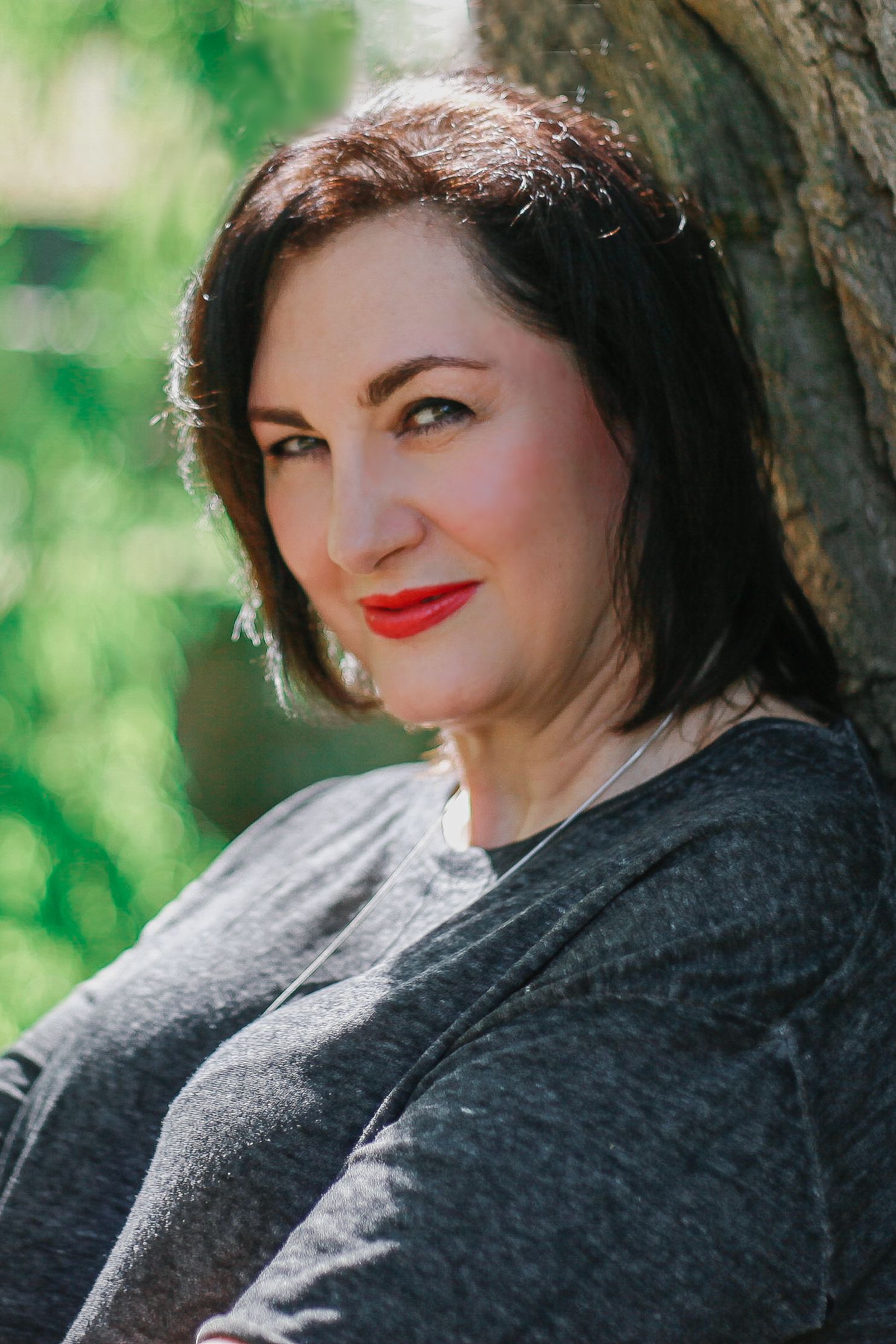
My name is Angelina Kalahari. I’m delighted you made your way to my website.
I’m passionate about writing the best stories my soul shows me. For me, novels are a way to live many different lives, just as I did when I used to sing opera. After all, storytelling is considered the oldest form of entertainment. It’s my wish that your life is enriched or that you’re entertained by the stories I tell.
Building a relationship with my readers is the very best thing about writing. So, please feel free to subscribe to my Newsletter.
If you prefer, you can email me directly at angelina@angelinakalahari.com.
You’ll receive occasional email notifications about freebies, new stories and novels, YouTube videos, podcasts, short stories and much more.
The first thing you’ll receive upon subscribing, is my gift of a free book, an exclusive novella called Diary of Naomi, a Desert Elephant – it’s the story of what happens to ellie Naomi from the Desert Love series.
Elephants in Namibia are the toughest in Africa. But orphaned elephants are the toughest still. And they need to be.
All elephants must travel great distances to find food to live on and they’re renowned for their magnificent memories and deep emotions.
We first come across ellie Naomi in Under A Namibian Sky. In this novella, discover what happens when she finds the people responsible for making her an orphan.
***
You can’t leave a review for the free novella, but if you’ve bought any of my books anywhere, I would be enormously grateful for your short review, saying what you liked about the story you’d read. The best places to leave such reviews are on Amazon or Goodreads.
It is the only way books, stories and novels can live in the world.

Thank you sincerely in advance.
***
MY NOVELS/NOVELLAS/SHORT STORIES
The Love Beyond Reason series are Paranormal Women’s Fiction novels and contain darker, supernatural themes and romance. These novels can be read as standalone novels, but you may have a more satisfying reader experience if you started at the beginning with The Healing Touch.
The Love Beyond Reason series is available in Kindle Unlimited.
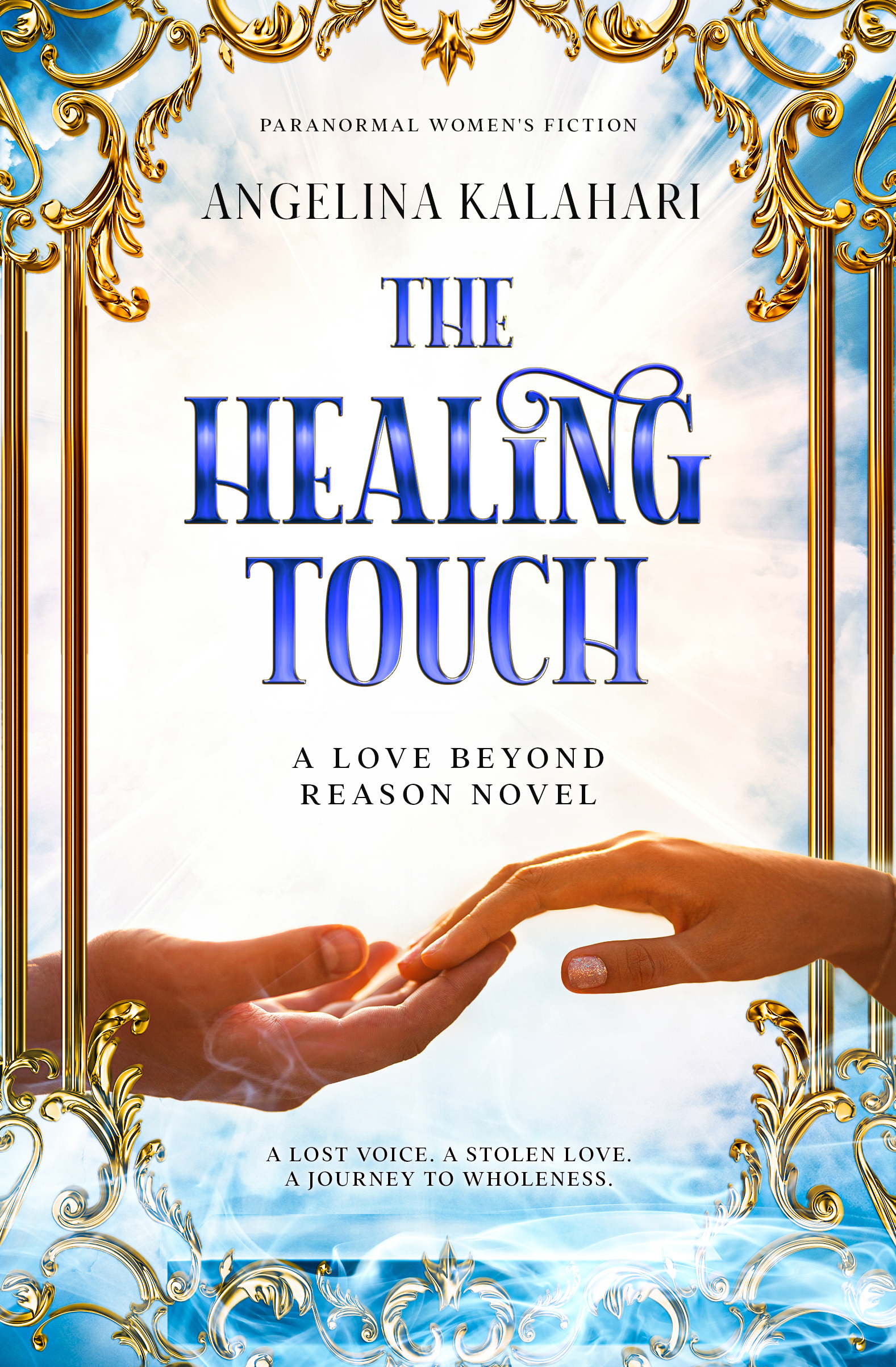
My debut novel, The Healing Touch, is available on Amazon or here on my website with free delivery in the UK.
*
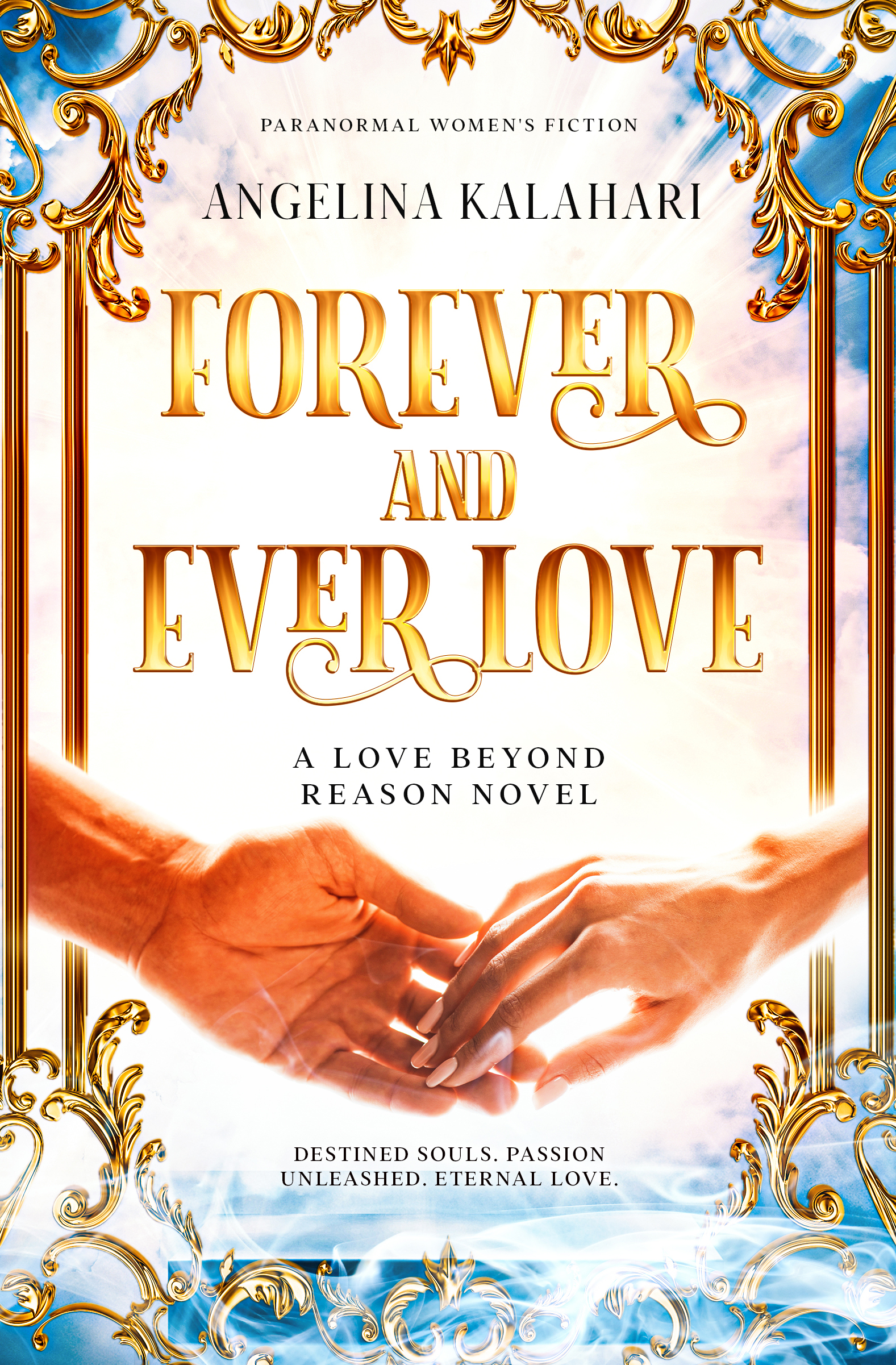
The second novel in the Love Beyond Reason series, Forever and Ever Love, is available on Amazon or here on my website with free delivery in the UK.
*
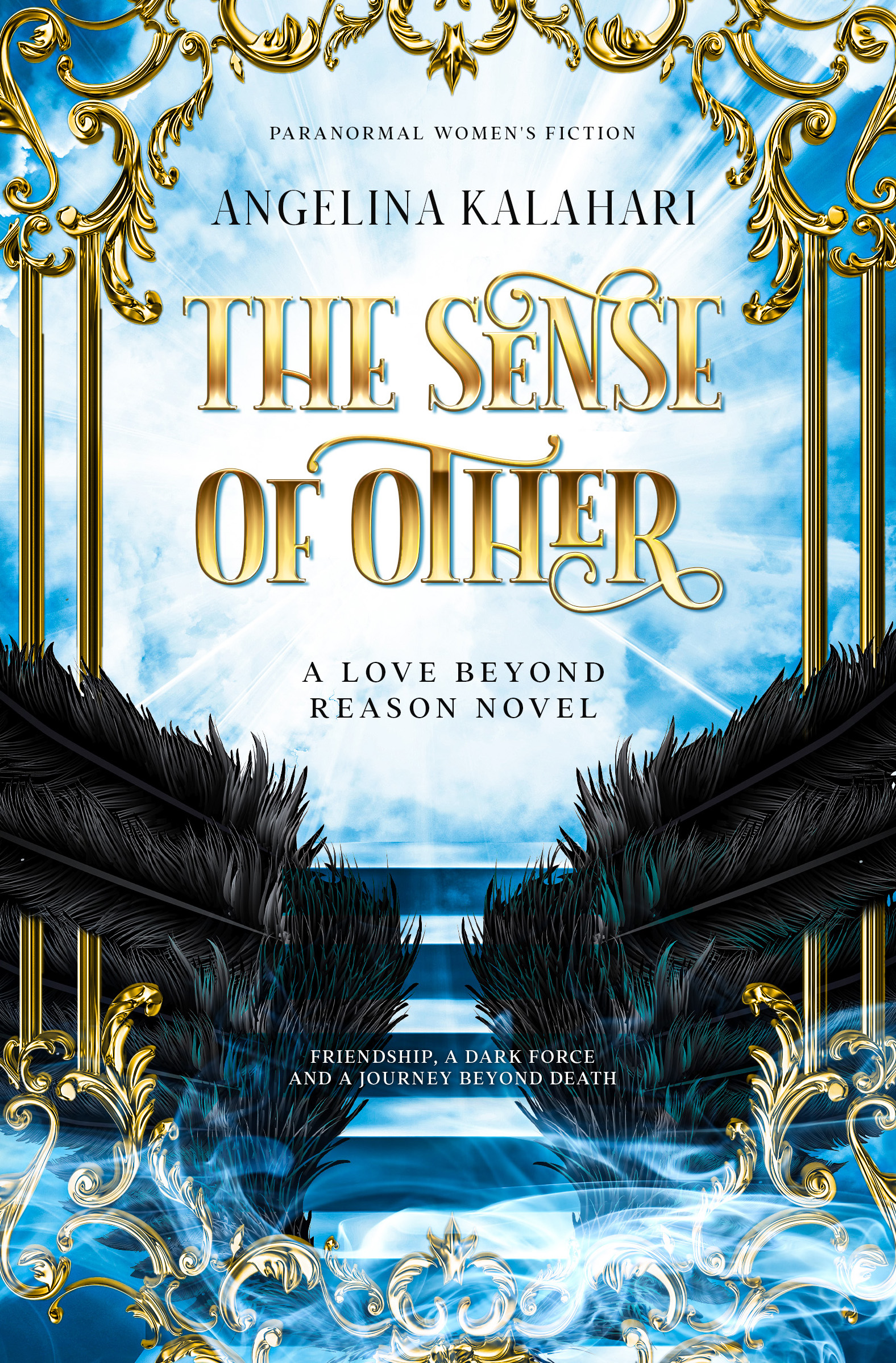
The third novel in the Love Beyond Reason series, The Sense of Other, is available on Amazon or here on my website with free delivery in the UK.
***
If you like atypical Paranormal Romance with twisting surprises, my short stories and Paranormal Romance novella might be just the thing for you.
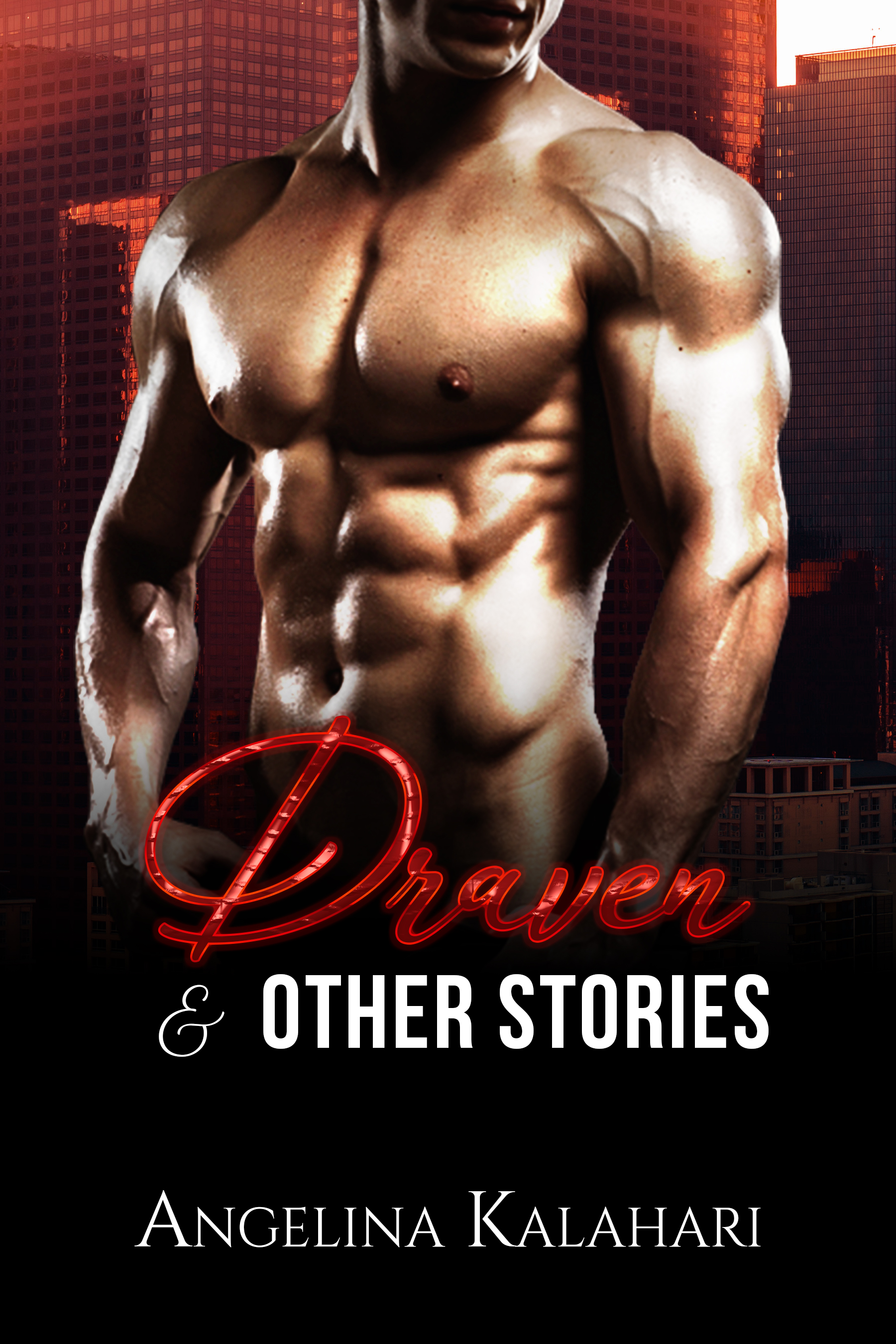
Draven and Other Stories are available in Kindle Unlimited but also as an audiobook on all platforms where you’ll find good audiobooks, including Audible, Spotify, Nook, Scribd, Chirp, Kobo and lots more.
Click here for the audiobook at the shop of your choice
*

The Servitor is currently only available in Kindle Unlimited, but you will soon be able to enjoy it as an audiobook too.
***
The Desert Love series is sweet but slightly steamy Contemporary Romances set in Namibia and have very happy endings.
They can be read as standalone novels and novellas, but you may have a more satisfying reader experience if you started at the beginning with Under A Namibian Sky.
The Desert Love series is available in Kindle Unlimited.
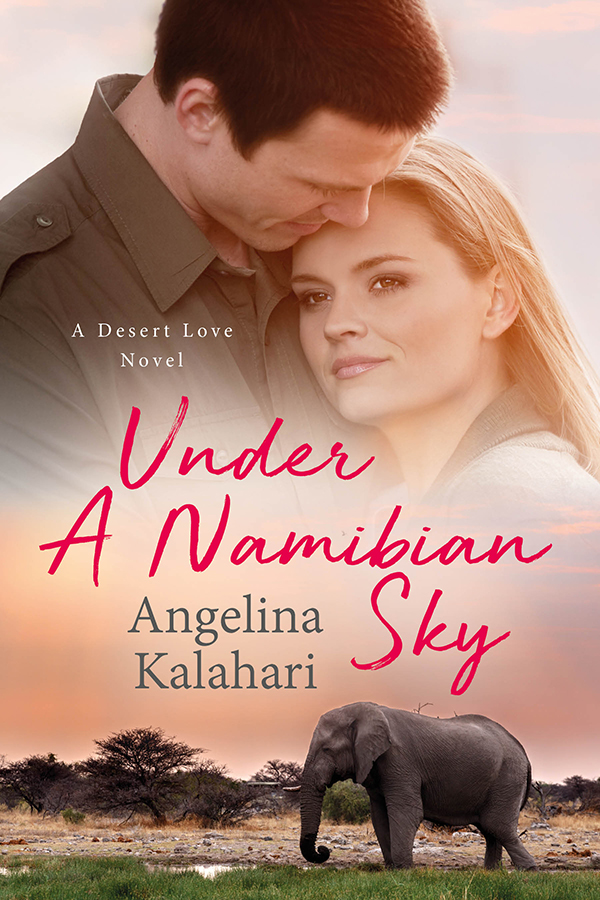
My Contemporary Romance novel, Under A Namibian Sky, the first novel in the Desert Love series, is available on Amazon or here on my website with free delivery in the UK.
*
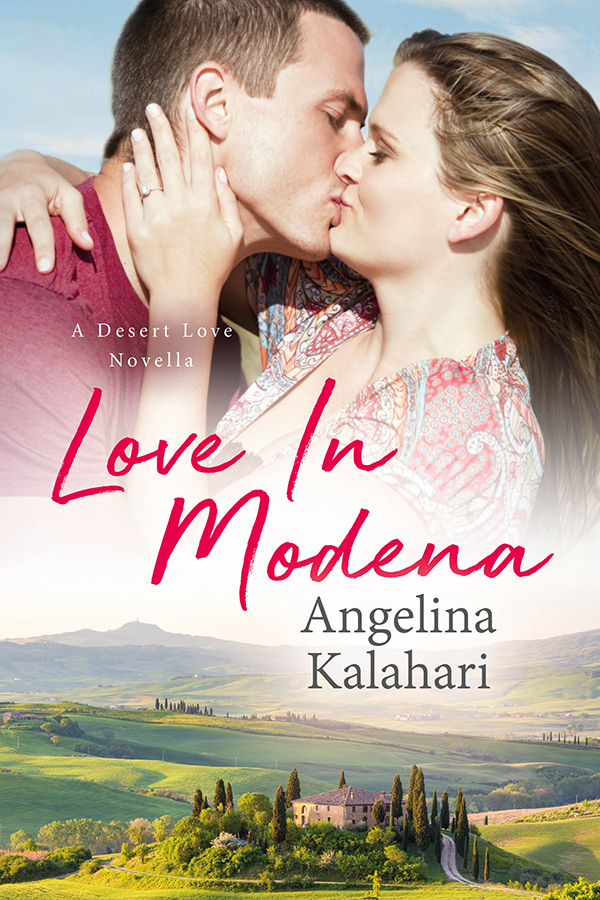
The Desert Love novella, Love In Modena, the follow-up from Under A Namibian Sky, is available on Amazon or here on my website with free delivery in the UK.
*

The second novel in the Desert Love series, Heat in the Desert, is available on Amazon or here on my website with free delivery in the UK.
***
My Middle-grade novels are Fantasy Adventures for children of all ages but mostly those aged 9 – 11. Watch this space for the others to follow.

My children’s novel, George And The Gargoyle Who Lived In The Garden, is available on Amazon.
***
I write about love.
I write non-fiction books on voice, my specialism and obsession for over thirty-five years, contemporary and paranormal romance to explore love, women’s fiction to understand love and middle-grade novels to give love. What more is there than love?
***
MY NON-FICTION BOOKS
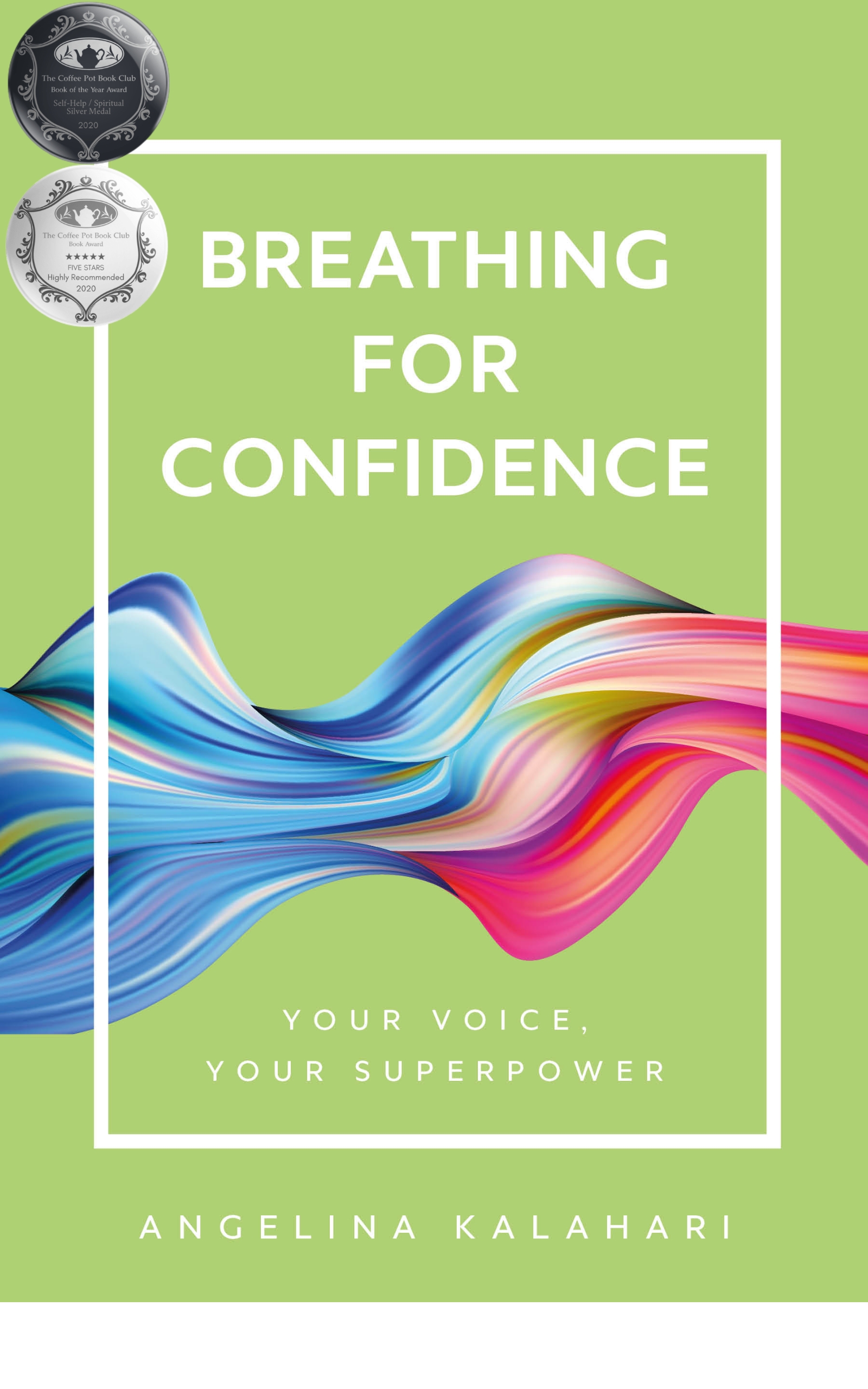


The first book, Breathing for Confidence, in my non-fiction series, Your Voice, Your Superpower, is now available in all good bookstores and on Amazon. The book has also won two awards of which I’m so proud!
***
FUTURE PROJECTS
My eco/futuristic novella series, Tempus, is based on a concept musical, Tempus, which I had created together with the very talented Dr Philippa Semper, lyricist, and Elizabeth Dockrell-Tyler, composer. It was successfully performed at The Tristan Bates Theater in Covent Garden and appeared as a news item on television.
The Tempus series focuses on the people and the planet as the oceans rise and the world as we know it, changes forever.
The first novel in the series, Mabon & Yule, is now in progress.
Here is the Prologue:
ON BOARD THE EARTH ORBITOR
COSMONAUT JULIA GODIEVSKY
I don’t think I’ll ever get used to the sight of the Earth flying past this window. Nothing is more beautiful than my home planet and though I’ve been on the Earth Orbitor for so long that I’ve practically lost my Russian accent, I adore every second I spend here. Watching the Earth like this stirs nostalgia in my heart. I want to smell new-cut grass, sit on warm sand, listen to the sea, to my family and friends’ voices, and feel wind and rain on my skin. Instead, I feel a tear bulging from my eye and wipe it away at once.
The musical tenor voice behind me saying my name makes me jump.
“Julia? How long have you been alone in here? Haven’t we talked about this? It’s not good for any of us.”
Pushing on the window helps me to turn around so I can face my captain and lover.
“I know. I know, James. I only wanted a moment.”
James floats forward and touches my short-cropped hair, concern making his voice gentle.
“It only takes a moment, my love.”
I know James is right. The sight of Earth from here is indescribable, always inspiring awe and sometimes despair. It’s best to spend time here with others so the melancholy doesn’t take hold.
How can I forget the reason I’m here at all?
I never knew Cosmonaut Sergey Ivanov, but the images of him cutting his cord from the EO and drifting away into space have never left me. Only later, when his increasing visits to the Cupola come to light, it became obvious why he took his own life. Six months remained on his three-year EO contract. But he was proud. He would never ask for help or to return to Earth sooner, even though it’s suggested to avoid unmanageable depression.
James moves closer, takes my arm and together we steer ourselves to the space I’d occupied moments earlier. We move nearer to the window filled with the blue and white of the Earth.
Even a few minutes alone with James is nice. We’re both aware Hiro will join us soon, and we savour our short private time. The inability to have a relationship here makes our stolen moments both agonizing and thrilling.
James’s lips are soft but urgent as he steals a kiss. I know we both mean to be quick, but our kiss deepens, announcing our yearning for each other.
Just as we break apart, Hiro glides into the Cupola. He dips his head towards James.
“Captain.”
Then he turns to me.
“Julia.”
His voice conveys the small bow so entrenched in his culture. I imagine him straightening as he speaks.
“Admiring our planet together is a great thing.”
Hiro moves swiftly over to the cameras, readying them for filming the areas of the Earth visible through the Cupola windows as part of his astrogeological work.
I feel James’s energy expand beside me and I can’t blame him. We’ll fly over the United Kingdom at a slightly lower altitude, which means we’ll be able to see more of it. I hope for his sake it’s free of cloud cover this time.
A momentary panic almost takes me over as I remember my microgravity experiments. But I exhale and relax, knowing I’d automated them all. The results will be interesting. First, I’m eager to experience the sights of Earth and the United Kingdom before returning to my lab.
Apparently, years ago, the United Kingdom included several areas close to it, but today, only Southern England and Wales form the country James talks about so often. I find the name odd – the United Kingdom. The notion of a King at the helm of the country seems surreal as the title has long been removed. So much of our history has vanished, making truthful history books scarce. As a scientist, I find it particularly frustrating, because I’m always hunting for the truth of everything, the vague unsettled feeling inside me, continuously spurring me on to find it. The old saying applies: it’s like finding a needle in a haystack. Even the saying’s origin is buried in the distant past.
Silence settles over us as we three stare in awe at the changing landscapes far below us. I marvel again at how much I take it all for granted that we’re in free-fall around the Earth with nothing to anchor us to her. Yet, we’re safe in our mother planet’s invisible arms. She holds us nearby until we’re ready to walk on her wondrous surface again.
The blue expanse beneath us seems unending. But soon, land appears.
James’s excitement is palpable as we approach Ireland, once part of his country. The entire United Kingdom is now visible. From the EO, we regularly observe and monitor the impact of melting ice caps on coastlines because of ocean level rise. It’s not possible to see tsunamis from here, but their impact and gradual erosion have altered Earth beyond recognition.
But as we watch, something happens none of us could foresee.
The blue sea simply moves over all of Ireland and travels deep into the United Kingdom, so the familiar shape of the country disappears as we watch in horror.
It happens so fast. For moments, I’m unsure I saw what I think I saw.
None of us speak.
We stay as still as the EO allows us to be, hardly daring to breathe. We’re waiting for the water to pull away, willing it to give us back the familiar shape we know so well.
But only the much diminished water-carved form remains of those once familiar isles.
*
Below is the video of the segment used on ITV to advertise the performances in the West End.
Recent Comments